Exhibits
Living Legacies: Ancient Approaches to Peace
Living Legacies: Ancient Approaches to Peace explores how communities around the world have worked to create and protect peace. In a world marked by ongoing conflict and rapid change, this exhibit looks to traditions that have helped people resolve disputes, live together, and maintain harmony for centuries.
At the heart of the exhibit is peace material culture – the objects, artworks, symbols, ceremonies, and practices that support peaceful relationships. These include mediation practices, shared decision-making, reconciliation rituals, peace agreements, and community gatherings.
Featuring traditions from seven continents, Living Legacies highlights the enduring value of this knowledge and the urgency of preserving it today. These practices remind us that peace is more than an ideal: it is an active process, built, maintained, and shared across generations.
👉 Scroll down to explore selected peace traditions from around the world.
The Tribute of the Three Cows
📍France/Spain
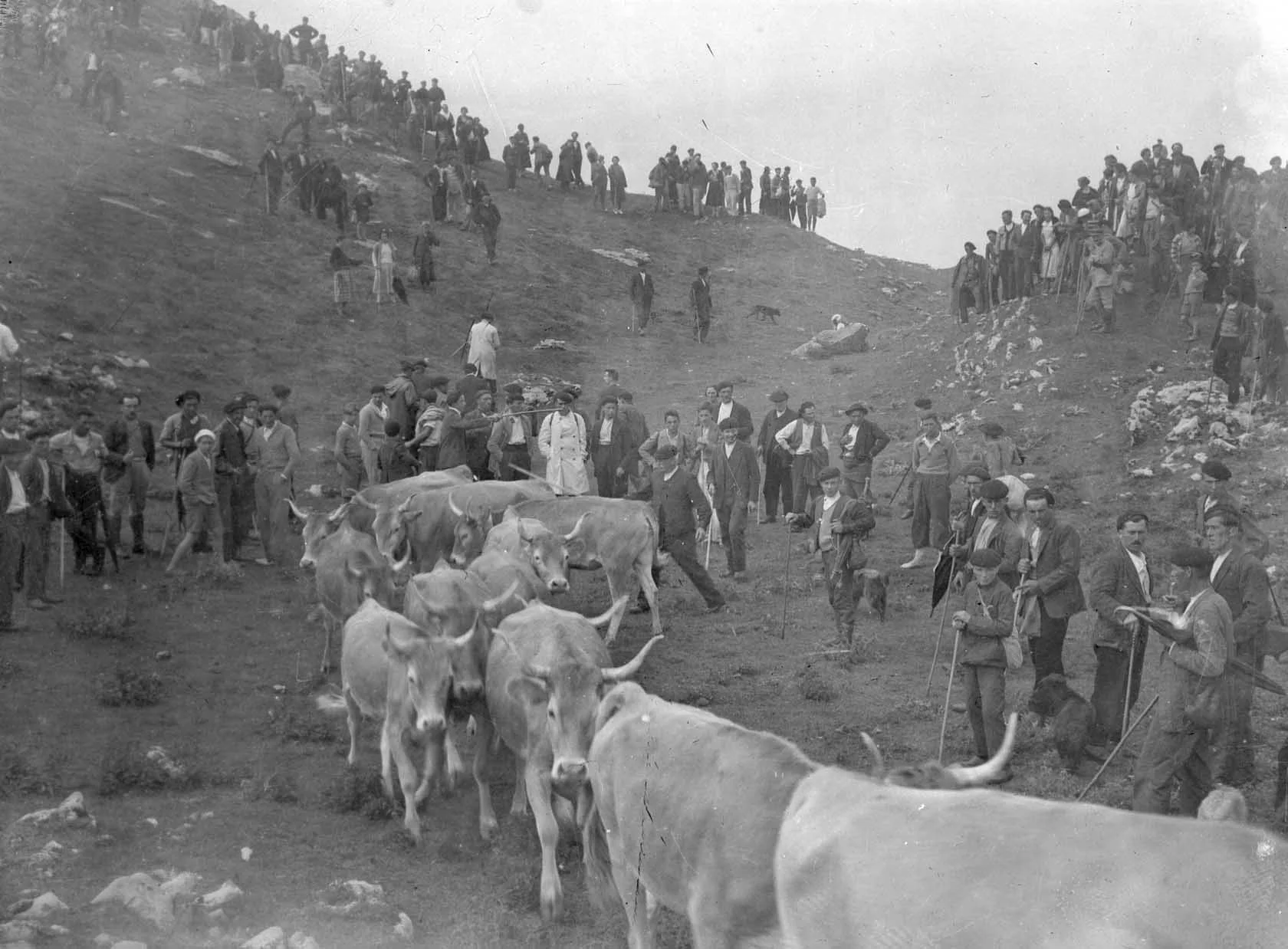
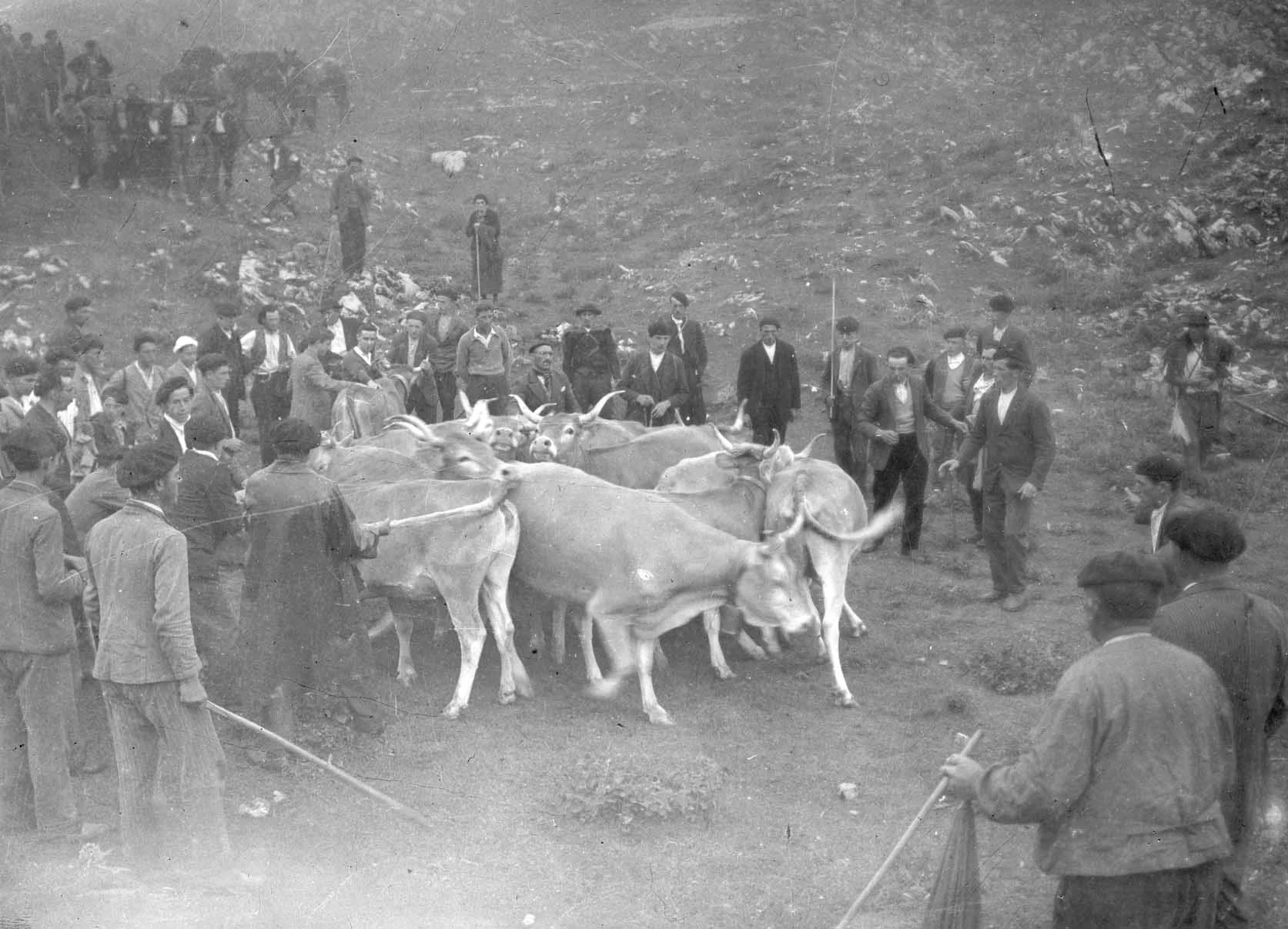
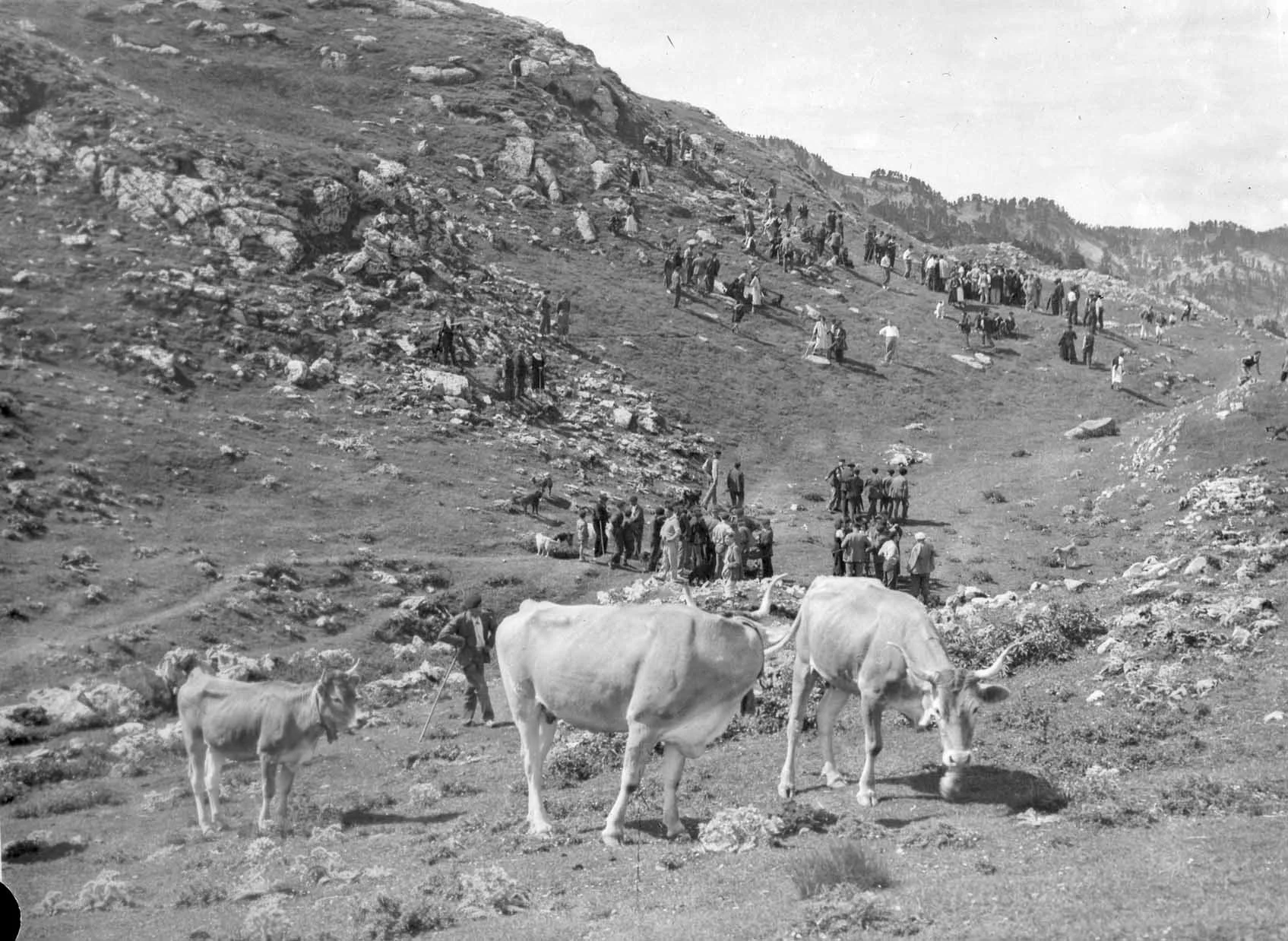
Since 1375, two neighboring communities in the Pyrenees—one in France and one in Spain—have met each year to renew one of Europe’s oldest peace agreements. As part of the ceremony, the French community offers three cows to their Spanish neighbors. The gesture represents cooperation and long-standing goodwill.
Sulha
📍Lebanon, Jordan, Palestine
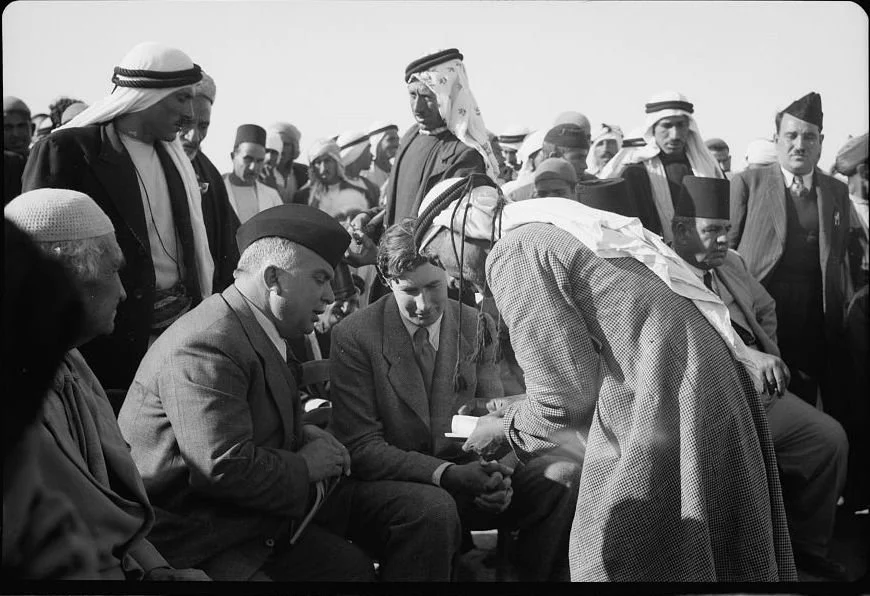
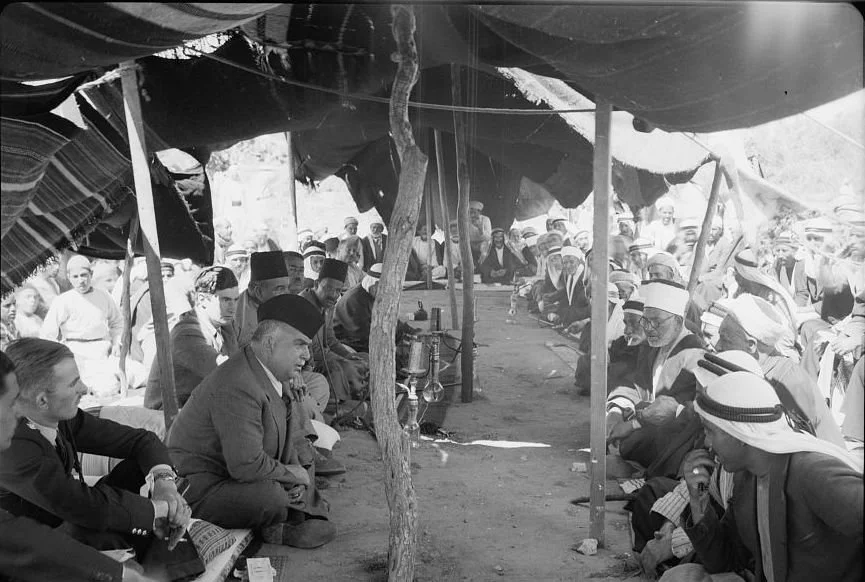
Sulha is a traditional Arab way of resolving conflict by restoring dignity and repairing relationships. A neutral mediator brings both sides together for a structured process. This may include formal apologies, symbolic compensation, a bitter coffee ritual, and a shared meal.
Gacaca Courts
📍Rwanda
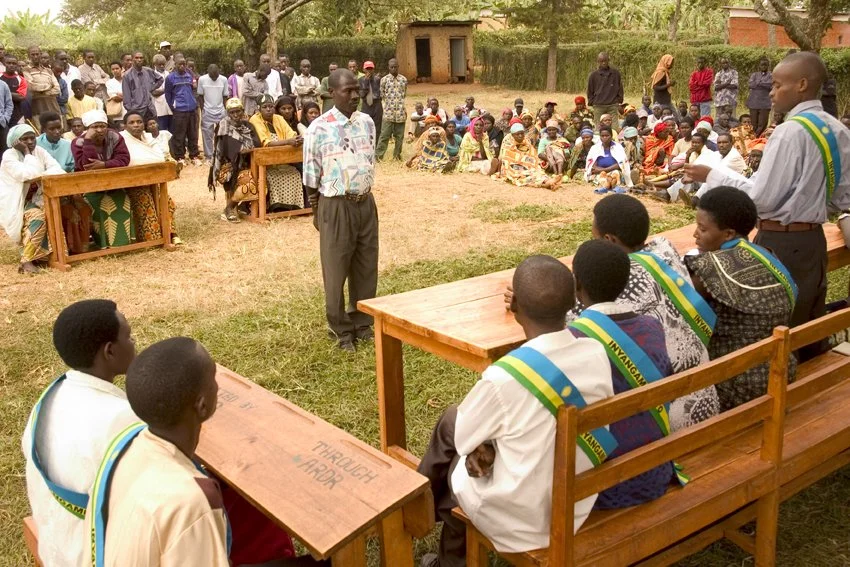
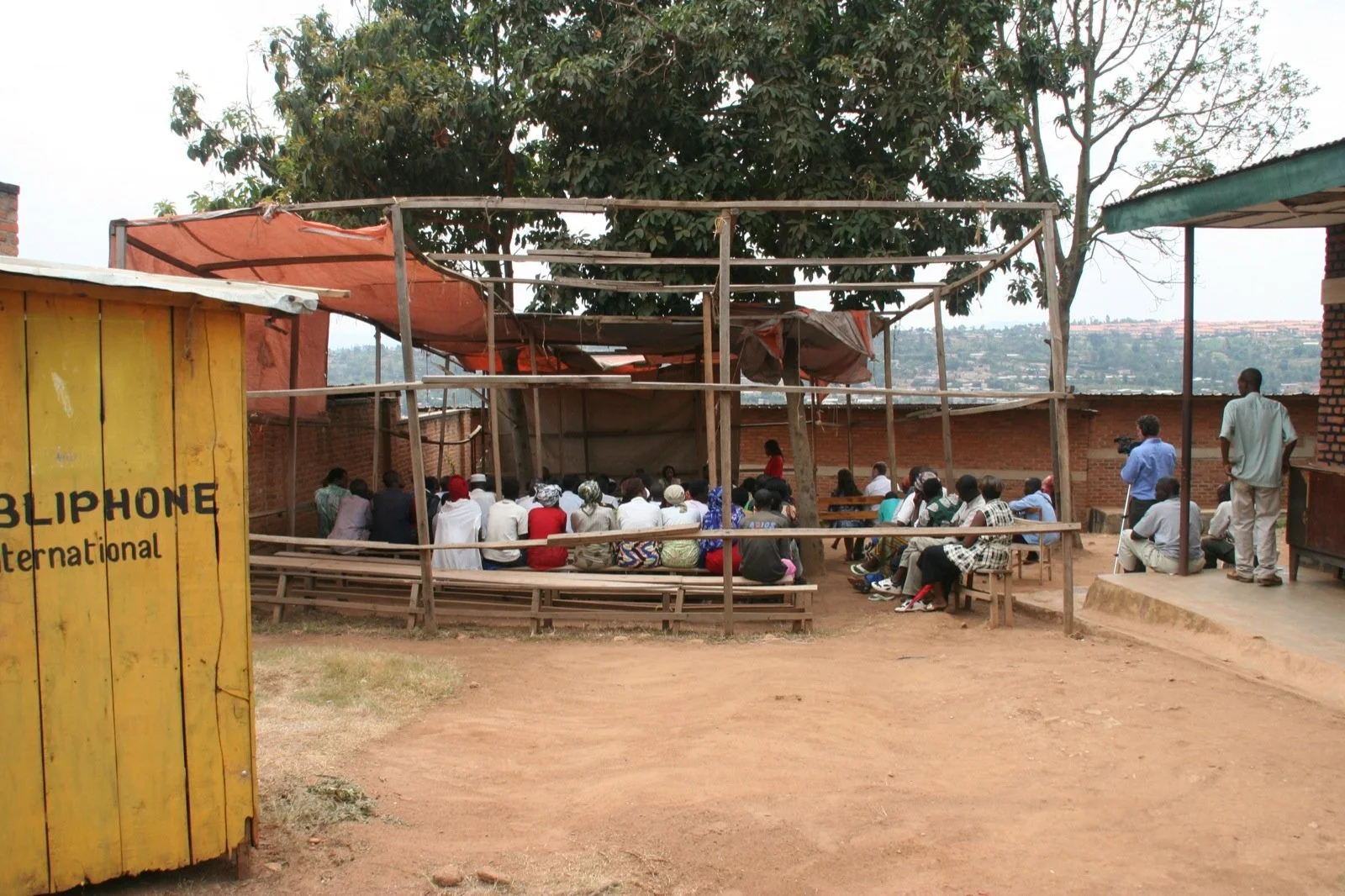
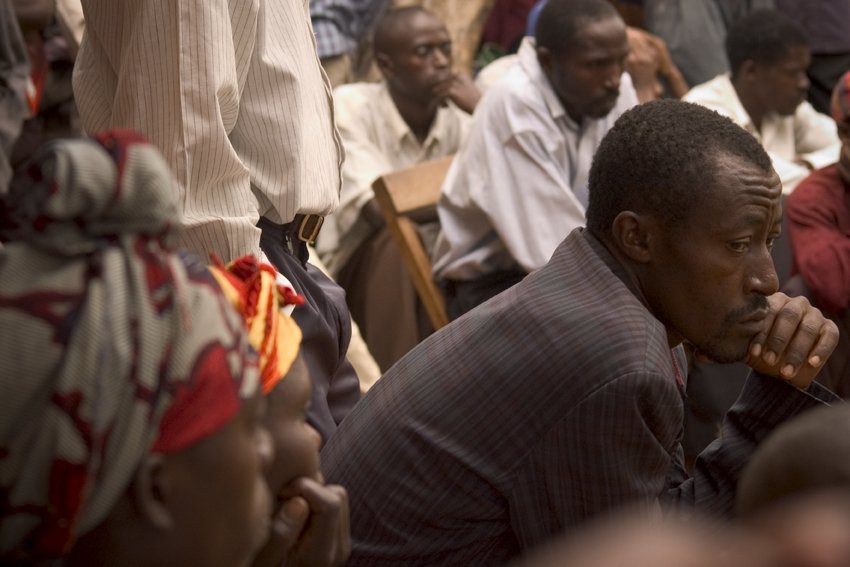
Based on pre-colonial Rwandan traditions, Gacaca courts were reintroduced in 2001 following the 1994 genocide. These community-led hearings are guided by respected elders known as Inyangamugayo. The process encourages truth-telling, accountability, forgiveness, and community healing.
Talking Circles
📍North America, Africa, Asia
Talking circles are used in many Indigenous, African, and Buddhist traditions to support respectful dialogue. Guided by Elders or facilitators, participants speak one at a time and listen carefully to one another. These circles are used for sharing stories, making decisions, strengthening relationships, and resolving conflict.
Learn more in our Talking Circles Teacher’s Guide.