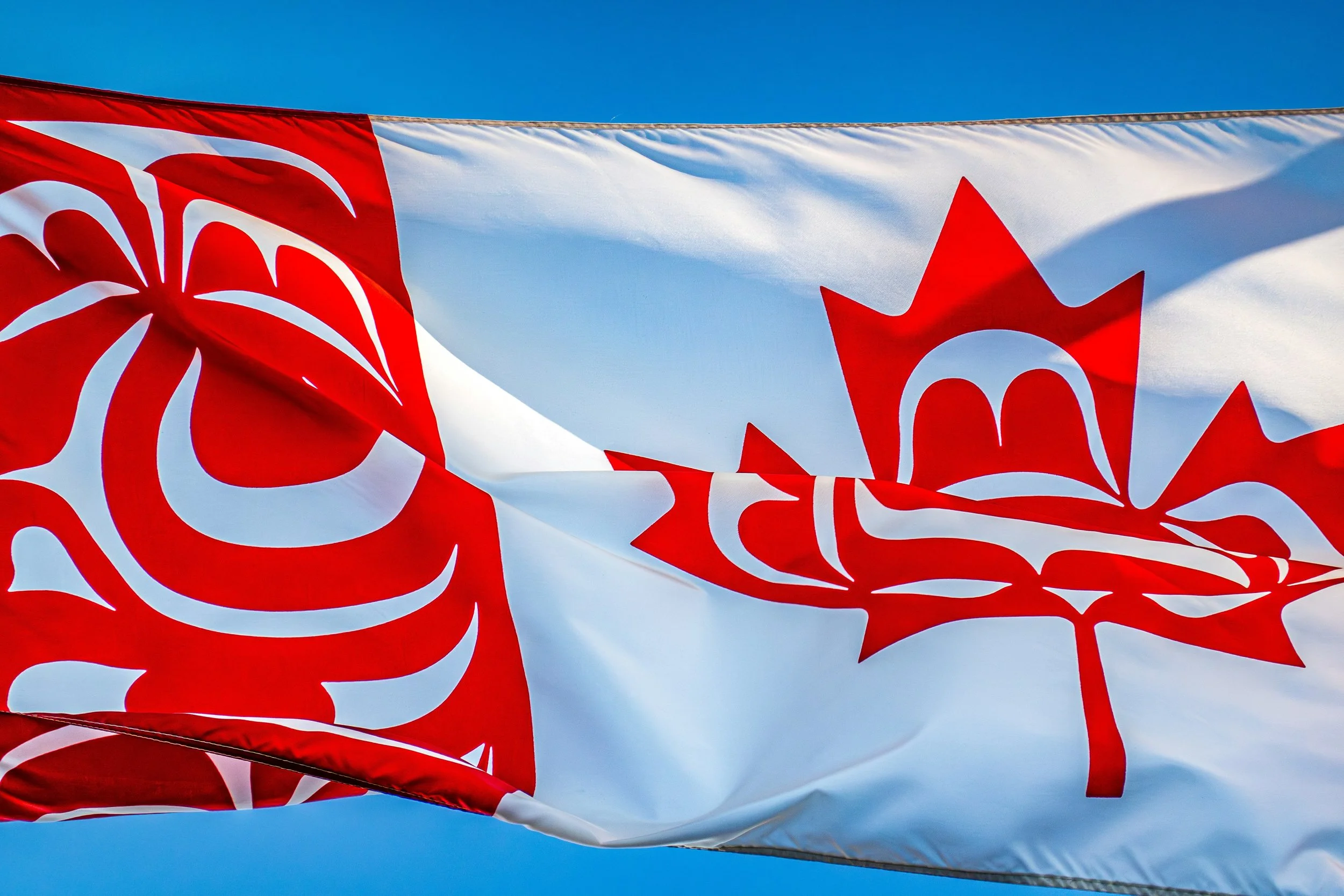
Photo by chris robert on Unsplash
To learn more about Indigenous Veterans Remembrance Day on November 8th, we invite you to attend a special event:
Indigenous Veterans Day Film Screening: Forgotten Warriors
The Richmond Public Library (Brighouse Branch) is hosting a special Film Club event on Sunday, November 8, 2026, at 2:00 PM. They will be screening Forgotten Warriors, a powerful 51-minute National Film Board documentary directed by Loretta Todd. The film features the moving testimonies of Indigenous World War II veterans who fought for Canada while facing severe inequality at home.
This screening provides a vital window into a chapter of history that highlights the profound tension between fighting for peace abroad and experiencing injustice at home—the story of Canada’s First Nations, Métis, and Inuit veterans.
Admission: The screening is free, but registration is required as seating is limited. You can check availability and reserve a spot directly through the Richmond Public Library Event Portal.
The Brighouse Branch is located at 100 - 7700 Minoru Gate, Richmond, BC.
The Paradox of Service: Indigenous Veterans and the Pursuit of True Peace
When we think of peace, we often think of the end of conflict. But for Indigenous Peoples, true peace is something deeper: it is the presence of justice, equality, and human rights. Observed annually on November 8, National Indigenous Veterans Day invites us to look beyond traditional military narratives and examine the deeper human cost, the complexities of citizenship, and the ongoing journey toward healing and reconciliation.
The Choice to Serve an Unequal Nation
During the World Wars, Indigenous People were denied the right to vote and were not recognized as full citizens, making them exempt from conscription. Yet, they volunteered by the thousands. Over 4,000 Indigenous individuals enlisted in World War I, and between 3,000 and 7,000+ served in World War II.
Driven by a sense of duty, community principles of protecting the land, and the hope that their sacrifice would lead to greater freedom at home, they entered the front lines. They served with distinction, yet they did so for a government that actively suppressed their cultures and restricted their basic rights.
The Faces of Sacrifice
Among those who bore the weight of this paradox were individuals who demonstrated extraordinary human resilience:
Francis Pegahmagabow (“Peggy”): A Cree soldier from the Parry Island (Wasauksing) First Nation and Canada's most decorated Indigenous soldier of World War I. He returned home to become a political activist, channeling his experiences into fighting for the rights and sovereignty of his people.
Sgt. Tommy Prince: A famed Ojibwe soldier from the Brokenhead First Nation who served in both World War II and the Korean War. Despite earning multiple Canadian and U.S. bravery decorations, he spent his post-war years navigating a society that refused to grant him the equality he fought for.
The Absence of Peace at Home
For many Indigenous veterans, the silence of the guns in Europe did not mean the beginning of peace. Upon returning to Canada, they faced systemic post-war injustices. While non-Indigenous soldiers received land grants, housing support, and financial benefits to rebuild their lives, Indigenous veterans were routinely shut out of these programs. Tragically, due to discriminatory laws, some veterans lost their Indian status as a result of their service, while others returned to find reserve lands had been expropriated during their absence. This inequality served as a stark reminder that peace is impossible without structural justice.
Reconciliation as the Foundation for Future Peace
Today, the work of remembering Indigenous veterans is an essential part of the peace-building process within Canada. Recognizing past discrimination—through formal acknowledgments by the Canadian Armed Forces and grassroots initiatives like the Last Post Fund’s project to mark unmarked graves—is more than just historical correction. It is an act of truth-telling.
From the perspective of a peace museum, remembering these stories is a reminder that the defense of human dignity is an ongoing mission. By honoring National Indigenous Veterans Day on November 8 and attending community events like the screening of Forgotten Warriors, we acknowledge that true, lasting peace can only be built on a foundation of truth, equity, and reconciliation.
Join the Conversation
As a community dedicated to exploring the pathways to a more just and peaceful world, we look to history to guide our future actions. We invite you to discuss these ideas:
How can acknowledging the historic injustices faced by Indigenous veterans help us redefine what "peace" looks like in Canada today?
In what ways can museums and community spaces better honour those who fought for a country that did not fully recognize their humanity?
What actions can we take in our daily lives to ensure that truth-telling remains at the heart of our remembrance traditions?