Tehran Peace Museum Call to Action
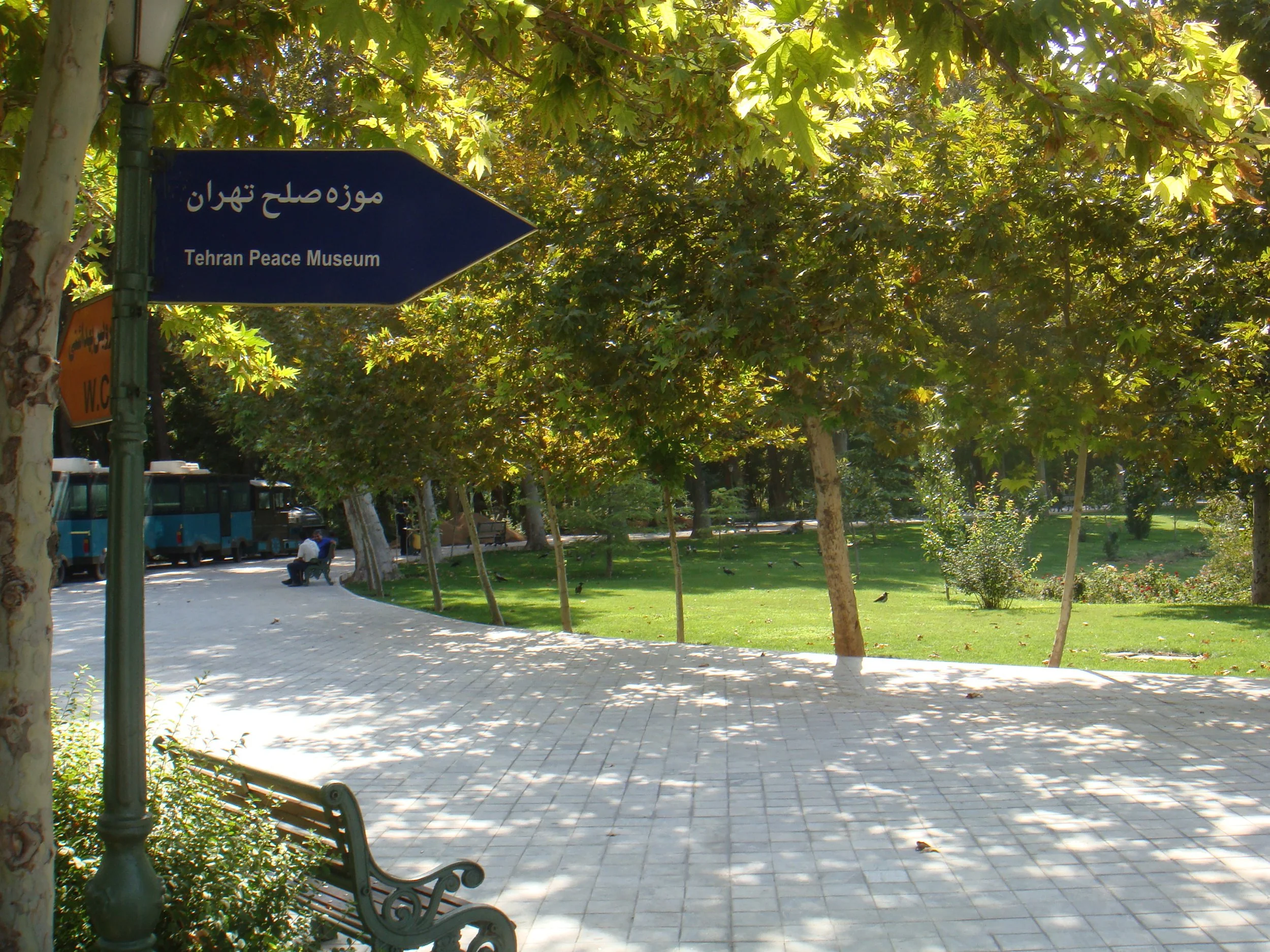
Tehran Peace Museum. Photo credit: Orijentolog, CC BY-SA 4.0 <https://creativecommons.org/licenses/by-sa/4.0>, via Wikimedia Commons
On behalf of the Tehran Peace Museum, Shahriar Khateri and Mona Badamchizadeh have urged the global community to raise awareness, demand accountability, and call for action to stop the ongoing violence in Iran. They warn that civilian lives are being lost while international institutions fail to respond effectively.
On February 28th, the United States and Israel launched an attack on Iran, resulting in the death of Supreme Leader Ali Khamenei. Israel’s decision to authorize its military to target any senior Iranian official on its assassination list has raised significant questions about its so-called “decapitation strategy” and its intended outcomes (Beaumont, Peter, “Decapitate’ State: US and Israel’s strategy to kill regime’s top figures may prove futile,” The Guardian Weekly, 27 March 2026, Vol. 214 No.13, p. 13). The attack also led to the deaths of the security chief and the intelligence minister, among others.
During this period, Shahriar Khateri and Mona Badamchizadeh have reported:
“Hundreds of innocent civilians have been killed and thousands more injured. Despite the severity of these actions, selective media coverage and contemporary forms of censorship have significantly limited global awareness and understanding of the realities on the ground.”
As of early April 2026, over 105,000 civilian structures—including homes, schools, and public facilities—have been damaged or destroyed by U.S.-Israeli strikes during the ongoing conflict. The Iranian Crescent Society reported significant damage to over 70,000 civilian sites, including 251 medical centers and 498 educational facilities. Over 18,000 civilians have been injured, and more than 3,000 killed in separate reports due to air strikes.
According to a March 30 report by Priyanka Shanka for Al Jazeera News, "The war on Iran began February 28 with a strike on an elementary girls’ school in the city of Minab in southern Iran. At least 170 people, most of them girls aged between seven and twelve, were killed when missiles struck the school." President Trump denied that the US attacked the school. In response, Iran struck Israel, killing at least nine people in the Israeli town of Beit Shemesh. The human cost is escalating, as the regime in Tehran—fighting for survival—had long warned that if attacked, they would retaliate and has shown no compunction about escalating the war.
Meanwhile, the campaign against Tehran has muted coverage of the humanitarian catastrophe and ongoing attacks. News coverage rarely acknowledges the human cost, instead focusing on the war’s destabilization of the Middle East, the global economy, rising oil prices, and environmental impacts. But what about the people of Iran?
Shahriar Khateri and Mona Badamchizadeh draw our attention to the human suffering and loss of life Iranians are experiencing: “The scale and nature of the violence demand urgent and sustained international attention.” They remind us of the Geneva Conventions and International Humanitarian Law, emphasizing our shared responsibility to uphold these principles and advocate for the dignity and protection of all people.
The Living Peace Museum of Canada expresses deep compassion for every human life and calls for de-escalation and a renewed pursuit of peace. Resolving the conflict in Tehran requires urgent, high-level diplomacy and a sensitive understanding of local cultural norms. Key strategies include negotiating ceasefires through regional partners, prioritizing economic de-escalation, and embracing the traditional Iranian etiquette of Taarof—a ritual of polite deference—to resolve social or interpersonal disputes.
Throughout history, peace-building traditions have existed in every culture, with communities developing methods to resolve conflict and foster harmony. Taarof (تَعارُف) is a core Iranian cultural tradition of politeness, ritualized deference, and indirect communication, playing a key role in defusing tension and de-escalating interpersonal conflicts. This "verbal dance" leads individuals to lower their own status while elevating others, transforming potential confrontations into harmonious, respectful exchanges.
Commisceo - Ta’rof – Understanding the Essence of Iranian Etiquette & Culture
Saffron & More - Ta’rof: The Dance of Honour Understanding Iranian Culture
Blending the Iranian practice of Taarof—an elaborate, indirect, and polite social code—with the strict, formal requirements of the Geneva Conventions and International Humanitarian Law (IHL) could offer a novel framework for mitigating conflict in Iran. As of April 2026, experts warn that violations of these rules in the ongoing US-Israel-Iran conflict highlight the urgent need for a new, culturally informed approach to engagement.